





Why Good Tires Are Important for Road Safety
페이지 정보
작성자 idisoxi 댓글 0건 조회 590회 작성일 25-11-27 03:08본문
Changing to winter tires is one of the most important safety steps for cold-season driving, yet many drivers postpone it or skip it entirely. These tires are engineered to perform in harsh winter conditions, providing improved grip, stability, and stopping power compared to regular tires. Driving without winter tires increases danger even for experienced drivers, because ordinary tires lose flexibility in low temperatures, leading to reduced grip and longer stopping distances. One of the key reasons winter tire change is essential is the specialized material that stays flexible in freezing conditions. When temperatures fall under 7°C, regular tires stiffen, reducing their ability to grip the road effectively. Winter compounds preserve flexibility, allowing the tire to adapt to slippery surfaces.
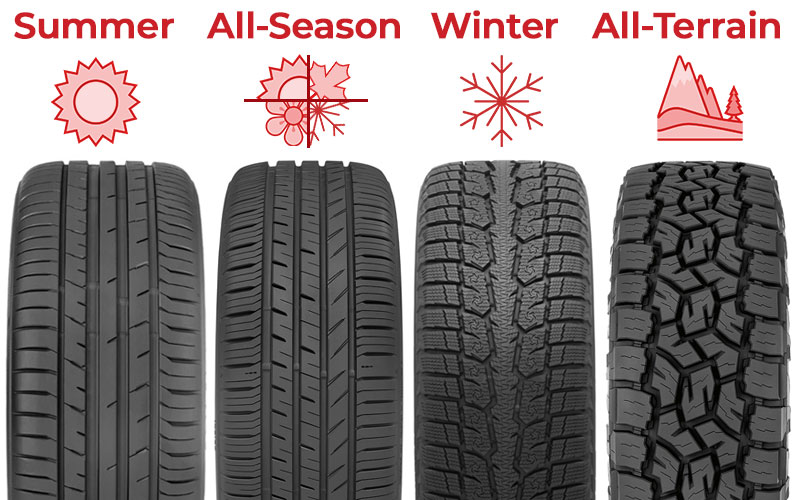
Another strong reason to change tires for winter is the optimized tread built for winter hazards. It is designed to clear winter debris and reduce hydroplaning, minimizing slip on icy surfaces. Additionally, thousands of sipes create biting edges, allowing the vehicle to brake more effectively. This results in better overall handling, providing safer driving even in challenging conditions. Switching tires for winter also extends the life of your summer set. Using summer tires in winter causes rapid wear, reducing their durability. Seasonal changes balance wear between both sets, saving money in the long run. In addition to performance and durability benefits, winter tires improve overall driving confidence. You can drive with greater confidence even on snowy routes, making winter driving less intimidating. This mental comfort is crucial, particularly during dark, icy winter hours.
Finally, winter tire changes are required or recommended in many regions, as they significantly improve overall road safety. Traffic experts consistently support their use, highlighting the need for proper seasonal preparation. In conclusion, winter tire change is not optional for safe driving. It enhances traction, shortens braking distance, and increases safety on icy roads. By switching to winter tires early in the season, drivers protect themselves, their passengers, and their vehicles. Seasonal tire change is one of the best safety measures available. One more essential consideration is the way winter temperatures affect braking performance, since cold asphalt dramatically increases braking distance for non-winter tires, making emergency braking unpredictable. Winter tires retain optimal softness and adhesion, providing shorter, more controlled braking. This advantage alone can save lives during winter months. Ice, snow, and slush patterns make winter-ready tires a necessity, as slush mixes with ice to create unstable traction zones. Winter tires are engineered to cut through these layers, helping the vehicle maintain consistent grip, even on roads that appear clear but remain dangerously slick.
Temperature fluctuations during the day and night present another winter challenge, because roads may be wet during the day and refreeze at night, making the road appear safe while remaining extremely slippery. Winter tires are designed to maintain grip across these temperature ranges, ensuring more predictable vehicle behavior.
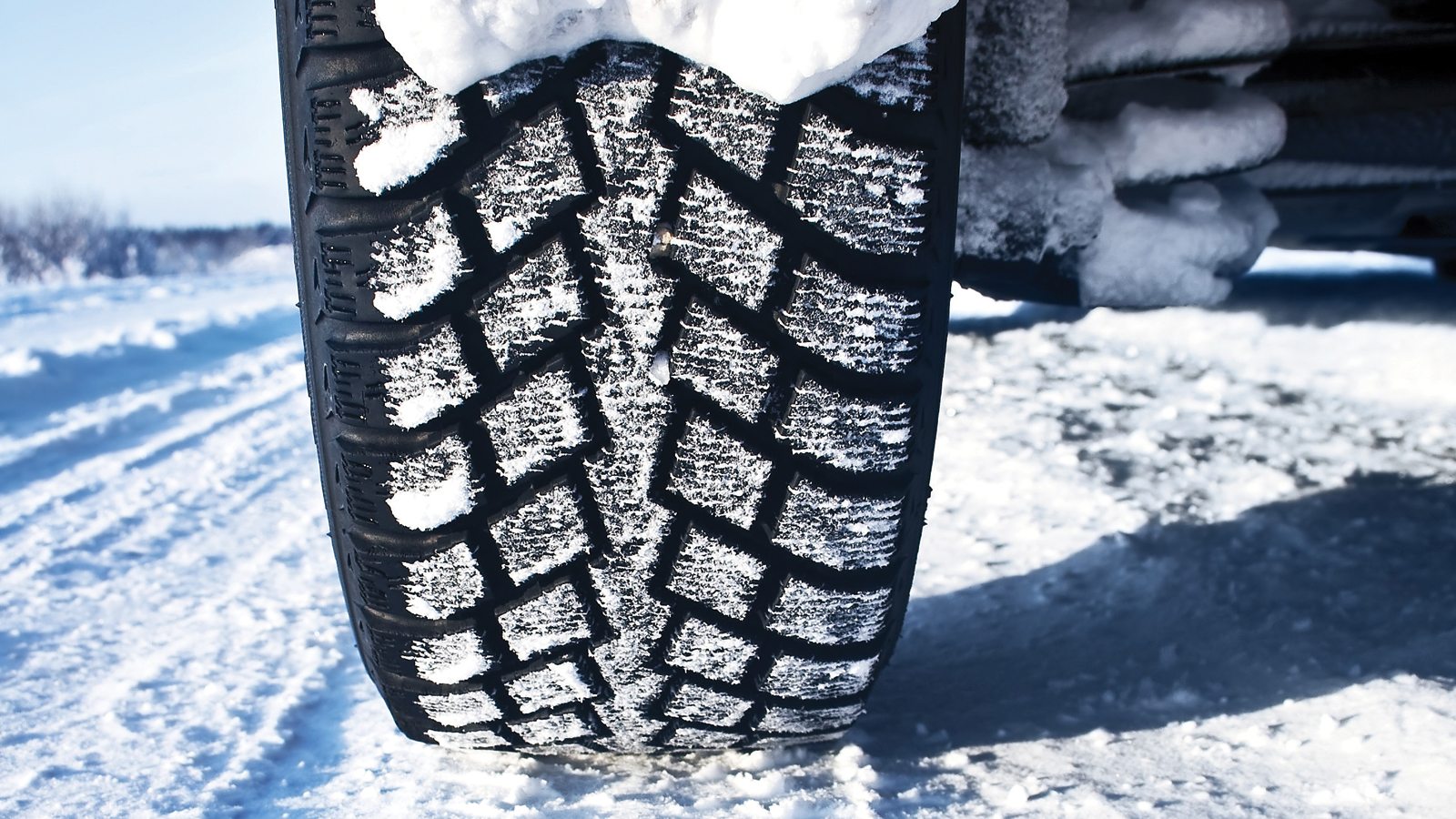
Many drivers are unaware that winter tires improve not only traction but also steering precision, because stiff summer tires lose responsiveness in the cold, increasing the difficulty of navigating tight winter turns. Winter tires respond faster in cold conditions, ensuring predictable steering performance. Pressure fluctuations are a hidden but critical element of winter tire performance, as cold air causes internal tire pressure to fall, leading to dangerously soft tires, which compromises stability and stopping power. Winter tire services routinely check and adjust pressure, maintaining ideal performance across temperature changes. Winter tires also enhance stable forward movement, as untreated winter roads reduce forward traction, causing difficulty during uphill climbs. Their tread designs maximize forward traction, allowing smoother starts and reduced strain on the vehicle. Timely winter tire installation also improves tire lifespan, because using winter tires in warm temperatures causes faster wear, leading to premature replacement. Installing them only when temperatures drop ensures optimal durability, reducing long-term expenses for drivers.
Winter tires also improve the performance of electronic safety features, because ABS, ESP, and traction control depend on tire grip to function, so inadequate grip prevents systems from reacting properly. Winter tires give these systems the traction they need, increasing the likelihood of avoiding accidents.
Source: wulkanizacja nowy targ
- 이전글What to Wear on Cold Days as a Hiking Enthusiast 25.12.03
- 다음글witurkiotyrki 25.10.15
댓글목록
등록된 댓글이 없습니다.